Melasma often appears as stubborn dark patches on the face, and many people associate these changes solely with sun exposure. You apply sunscreen daily, avoid direct sunlight, and still notice discoloration getting darker. This situation creates confusion and frustration because your efforts do not seem to stop the problem. The reason is simple: you must account for heat vs sun melasma triggers. Melasma reacts to more than ultraviolet rays; heat exposure also plays a major role in pigment activity and often goes unnoticed.
Learning the difference between heat and sun-triggered melasma helps you manage pigmentation more effectively. Each trigger affects your skin through different internal processes, which means prevention and treatment require a structured approach. This guide explains how heat and sun influence melasma, why flare-ups occur, and how professional care supports long-term pigment control.
What Is Melasma?
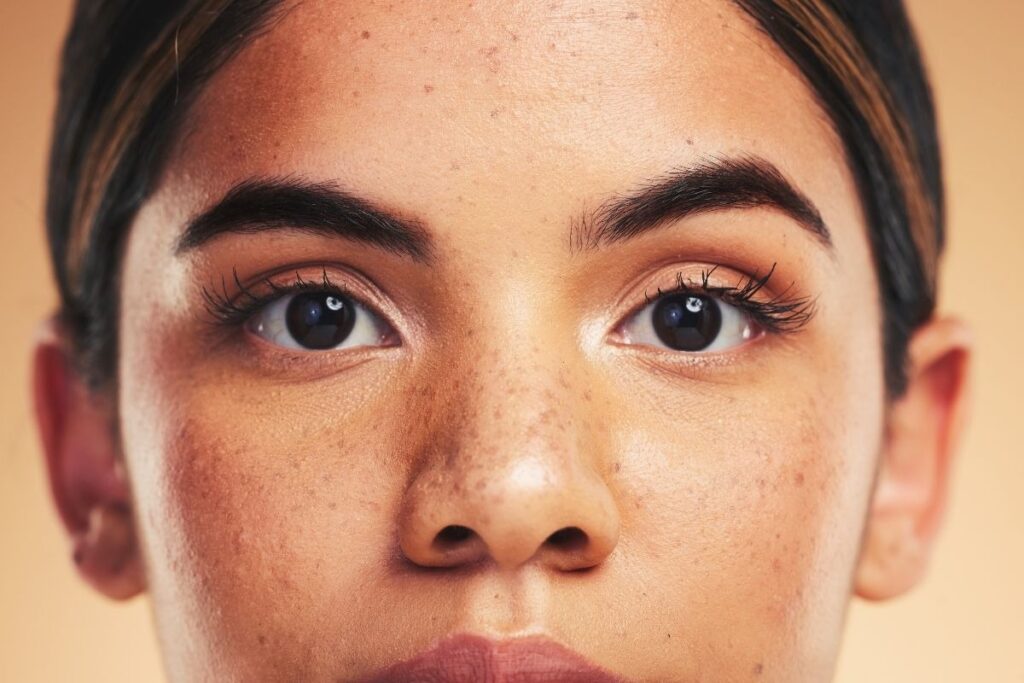
Chronic Pigment Condition
Melasma is a long-term skin condition caused by excess melanin production. Melanin is the pigment responsible for skin color. When your skin produces too much melanin in certain areas, uneven patches form.
Melasma usually appears as:
- Brown, gray, or tan patches
- Uneven skin tone on the cheeks, forehead, nose, upper lip, or jawline
- Gradual darkening over time
- Persistent discoloration even after treatment
Several internal and external factors contribute to melasma development:
- Hormonal changes
- Sun exposure
- Heat exposure
- Skin inflammation
- Genetic tendency
Melasma behaves differently from temporary dark spots. Without proper care, pigment often returns after improvement. This long-term behavior makes trigger control essential.
Why Trigger Control Matters
Melasma treatment does not focus only on fading visible pigment. Long-term success depends on controlling what stimulates pigment production inside your skin.
When triggers remain active:
- Pigment cells continue producing melanin
- Skin becomes more reactive
- Discoloration spreads or deepens
- Treatment results fade faster
Reducing triggers helps stabilize your skin and improves treatment response. Stable skin maintains results longer and reduces recurrence.
Understanding Heat vs Sun Melasma Triggers

Sun exposure plays a major role in pigment activity. Ultraviolet radiation and visible light stimulate pigment-producing cells and increase discoloration.
UV Radiation and Melanin Production
Ultraviolet rays penetrate the skin and activate melanocytes. These cells respond by producing more melanin as a protective reaction.
Effects of UV exposure include:
- Increased melanin production
- Darkening of existing pigment patches
- Long-term activation of pigment cells
- Greater sensitivity to future exposure
Even brief sun exposure contributes to pigment formation, especially in individuals with active melasma.
Visible Light Effects
Sunlight contains visible light, including blue light, which also influences pigmentation. Visible light penetrates the skin and stimulates pigment pathways similar to ultraviolet radiation.
Common sources of visible light include:
- Sunlight entering through windows
- Indoor lighting
- Digital screens
Visible light has a stronger effect on individuals with deeper skin tones. This explains why melasma darkens even with limited outdoor exposure.
Inflammation From Sun Damage
Sun exposure creates internal skin stress known as oxidative stress. This stress triggers inflammation, which in turn activates pigment production.
Inflammation from sun exposure leads to:
- Damage to skin cells
- Weakening of the skin barrier
- Increased pigment activity
- Slower recovery after treatment
Sun protection plays a central role in melasma management, yet sun protection alone does not address all triggers.
How Heat Triggers Melasma
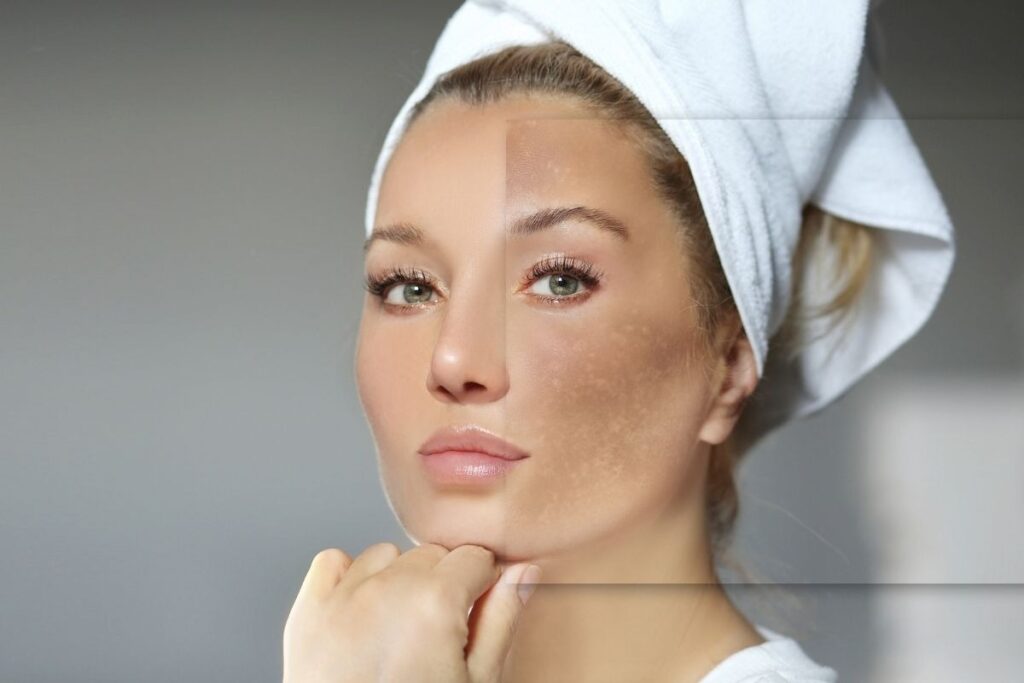
Heat affects melasma through a different process than sun exposure. Heat raises skin temperature and stimulates inflammation, which leads to pigment production without ultraviolet radiation.
Heat-Induced Inflammation
When skin temperature increases, blood vessels expand and circulation rises. This process stimulates melanocytes and triggers melanin production.
Heat-related inflammation leads to:
- Increased pigment activity
- Skin sensitivity
- Persistent discoloration
- Stronger pigment response over time
This reaction occurs even without exposure to sunlight.
Thermal Stress and Pigment Activation
Thermal stress describes the impact of heat on skin function. Higher temperatures activate inflammatory signals that stimulate pigment cells.
Skin reacts to:
- High environmental temperatures
- Rapid temperature changes
- Internal heat from physical activity
Heat exposure affects deeper layers of the skin, which explains why pigment becomes harder to treat over time.
Common Heat Sources
Many daily activities expose your skin to heat without direct awareness.
Common sources include:
- Saunas and steam rooms
- Hot and humid weather
- Intense exercise
- Cooking near heat sources
- Hot showers
- Heated facial devices or treatments
Frequent exposure to these conditions increases the risk of melasma flare-ups.
Heat vs Sun: Key Differences

The topic highlights the importance of distinguishing between these triggers. Both increase pigment production, but through different biological responses.
Trigger Mechanism
- Sun exposure: Ultraviolet radiation directly stimulates pigment cells.
- Heat exposure: Inflammation and temperature changes activate pigment pathways.
These distinct mechanisms require different prevention methods.
Prevention Approach
Protection strategies must address both triggers.
- Sun exposure requires broad-spectrum protection and light defense.
- Heat exposure requires temperature control and inflammation reduction.
Managing one trigger without addressing the other leads to ongoing pigment activity.
Treatment Considerations
Professional treatment plans evaluate both heat and sunlight as triggers of melasma. A structured approach reduces skin reactivity and supports long-term pigment stability.
Why Sunscreen Alone Does Not Prevent Melasma
Many people rely only on sunscreen to manage pigmentation. Sun protection is essential, yet sunscreen does not address all factors that influence melasma.
Limits of UV Protection
Sunscreen blocks ultraviolet radiation but does not reduce skin temperature or internal inflammation caused by heat exposure.
As a result:
- Pigment changes occur despite regular sunscreen use
- Heat continues to stimulate melanocytes
- Additional strategies are required for full protection
Complete melasma care addresses both ultraviolet and thermal triggers.
Role of Barrier Health
Your skin barrier protects against environmental stress and inflammation. A weakened barrier increases sensitivity to heat and sun exposure.
Healthy barrier function supports:
- Reduced irritation
- Better moisture retention
- Improved treatment response
- More stable pigment levels
Professional care often begins with strengthening the skin before targeting discoloration.
Professional Strategies for Trigger Control
Effective melasma treatment requires structured care and consistent monitoring. Professional providers focus on stabilizing the skin before aggressive correction.
Skin Stabilization First
Initial treatment focuses on calming inflammation and strengthening the skin.
Early goals include:
- Reducing skin reactivity
- Improving barrier function
- Preparing skin for pigment correction
Stable skin responds better to treatment and maintains results longer.
Controlled Treatment Planning
Aggressive treatments generate heat and irritation, which worsen melasma. Controlled treatment plans use gradual methods to manage pigment safely.
Structured care includes:
- Gentle corrective procedures
- Personalized treatment schedules
- Careful monitoring of skin response
This approach improves safety and long-term improvement.
Maintenance and Monitoring
Melasma requires ongoing management rather than one-time treatment. Regular monitoring allows adjustments based on skin behavior.
Maintenance care helps:
- Prevent recurrence
- Maintain pigment stability
- Support consistent improvement
Long-term management reduces the cycle of flare-ups.
Who Is Most Affected by Heat and Sun Triggers
Certain individuals experience stronger pigment responses due to environmental exposure and skin characteristics.
Individuals in Hot Climates
Frequent heat exposure raises skin temperature and increases inflammation, leading to repeated pigment activation.
People With Active Lifestyles
Regular physical activity increases internal heat and circulation, which stimulates melanocytes.
Sensitive or Reactive Skin Types
Sensitive skin produces stronger inflammatory responses, which leads to faster pigment changes and persistent discoloration.
Managing Heat and Sun Exposure Daily

Daily habits influence melasma progression. Consistent protective measures help maintain treatment results.
Environmental Awareness
You reduce pigment stimulation by limiting exposure to heat and sunlight.
Helpful practices include:
- Seeking cooler environments
- Avoiding prolonged outdoor heat
- Limiting exposure during peak sunlight hours
- Managing indoor heat sources
Protective Skincare Practices
A consistent skincare routine supports pigment control and barrier health.
Key steps include:
- Daily broad-spectrum sun protection
- Barrier-supporting products
- Gentle cleansing methods
- Avoiding harsh treatments
These practices reduce inflammation and pigment activity.
Professional Guidance
Personalized care addresses your specific triggers and skin behavior. A professional evaluation identifies the factors causing persistent discoloration and develops a structured treatment plan.
Take Control of Melasma Triggers
Melasma management requires more than surface protection. Heat and sun melasma triggers both activate pigment pathways and influence long-term skin behavior. Long-term results depend on reducing inflammation, strengthening skin resilience, and maintaining consistent care.
At Saint Aesthetix, we focus on structured melasma management designed for lasting skin stability. We assess your trigger profile, stabilize your skin, and create a personalized treatment plan based on your needs. If you experience persistent discoloration or recurring flare-ups, we invite you to schedule a consultation with our team. Our approach supports healthier skin and improved pigment balance through careful, professional care.