Booking your first microneedling treatment feels exciting, but it also raises a lot of questions. What should you avoid? How long will your skin look red? Which products can stay in your routine? This guide answers each one, so you can walk into your appointment with confidence.
Microneedling uses fine needles to create tiny, controlled channels in your skin. Your body responds by making new collagen and elastin. Because that response depends on healthy, calm skin, your preparation matters. In this post, you will learn how to check your candidacy, plan your timeline, and heal well afterward.
At Saint Aesthetix in Monrovia, a licensed, trained registered nurse performs your treatment and tailors every step to your skin. Therefore, always follow their instructions first. Treat the timeframes below as typical guidance, since clinics set different windows.
What Is Microneedling and Why Does Preparation Matter?

Before you plan your prep, it helps to understand what the treatment does. Microneedling works with your skin’s natural repair process, so the condition of your skin on day one shapes how it heals. Let’s look at how it works, what it targets, and why prep changes the outcome.
How Microneedling Works
A pen-style device moves tiny, sterile needles across your skin. These needles create controlled micro-injuries. Your body reads them as a signal to repair, so it builds fresh collagen and elastin. Meanwhile, the channels also help your skin take in the products your nurse applies, such as hyaluronic acid.
What Microneedling Can Help Improve
Many people choose microneedling for acne scars, enlarged pores, fine lines, and uneven texture. For example, it can suit skin that looks rough or dull. However, results vary from person to person, and no treatment offers a guarantee. A consultation helps you set realistic goals.
Why Your Prep Affects Your Results
Irritated or sunburned skin heals more slowly. As a result, you face a higher risk of lingering redness and uneven pigment. In contrast, calm, hydrated skin recovers more smoothly. Good prep also helps your nurse treat you safely and comfortably.
Microneedling Options at Saint Aesthetix: Which One Fits You?
Saint Aesthetix offers several microneedling options, and each one suits different goals. Your prep stays mostly the same across them, but a few details change. Here is a quick look at each option.
Microneedling with Hyaluronic Acid
This option pairs microneedling with hyaluronic acid, a hydrating ingredient. It suits people who want smoother texture and a fresher look. Prep follows the standard steps in this guide.
Microneedling with PRP
PRP uses platelet-rich plasma from your own blood. First, your nurse draws a small blood sample. Then they process it and apply it after the needling. Because of the blood draw, you may need extra prep, such as staying hydrated and pausing certain medications or supplements.
Microneedling with PRF
PRF also uses your own blood, but your nurse spins the sample differently. So the prep looks very similar to PRP. Hydrate well, and ask about blood-thinning medicines and supplements.
Radiofrequency Microneedling (Scarlet RF)
Scarlet RF combines microneedles with radiofrequency energy to firm and tighten the skin. According to the Saint Aesthetix service page, downtime stays minimal and results build gradually, with visible improvement around three months. However, the FDA has issued a safety communication about certain uses of RF microneedling. Therefore, ask your nurse about the device, the settings, and the risks before you book.
How to Choose
Your nurse recommends an option based on your concerns, skin type, and history. Because every skin story differs, bring photos of the areas you want to treat. Also, write down your questions beforehand. Then let your nurse guide the final choice.
Is Your First Microneedling Treatment a Good Fit? Candidacy and Consultation
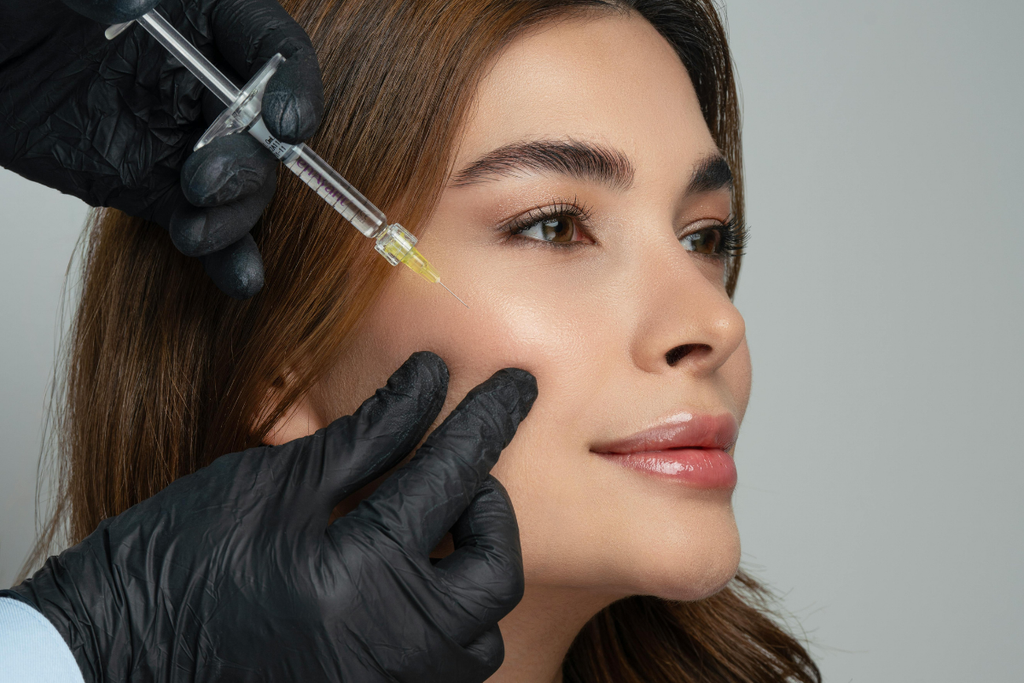
Not everyone should book microneedling right away. A quick candidacy check protects your skin and your results. The next sections cover who benefits most, who may need to wait, and what your consultation includes.
Who Is Typically a Good Candidate
Good candidates usually have concerns like mild to moderate scarring, texture changes, or visible pores. They also have healthy, intact skin in the treatment area and realistic expectations. In addition, they commit to sun protection and aftercare. If that sounds like you, microneedling may fit well.
Who May Need to Wait or Choose Another Option
Some conditions call for caution. Therefore, tell your nurse if any of these apply:
- Oral isotretinoin use within about the past six months, since many providers ask you to wait
- Pregnancy or nursing
- Active acne, cold sores, rashes, or open lesions in the treatment area
- A tendency to form keloid scars or heal poorly
- An autoimmune condition or a weakened immune system
- A blood-clotting condition or blood-thinning medication, especially for PRP and PRF
- A recent sunburn or fresh tan
Your nurse decides what is safe for you. In some cases, you simply need to reschedule.
What to Expect at Your Consultation
Your consultation sets the plan. Your nurse reviews your skin history, medications, supplements, and past reactions. Then they discuss your goals, explain the risks, and walk you through consent. Finally, they give you prep instructions, so ask every question you have.
Who Performs Your Treatment
At Saint Aesthetix, a licensed, trained registered nurse performs your microneedling treatment, including the PRP, PRF, and radiofrequency options. That training matters because your nurse can assess your skin, adjust the settings, and guide your aftercare. Also, you can ask about their experience at any time.
Your Pre-Treatment Timeline: What to Do (and Avoid) Before Your Appointment
A simple timeline makes prep easy to follow. Clinics set slightly different windows, so confirm the exact timing with your nurse. Use the steps below as a typical roadmap.
Two Weeks Before: Protect Your Skin From the Sun
Sun damage is a common reason people reschedule. Before your first microneedling treatment, skip tanning beds and long sun sessions. Next, avoid self-tanner on the area, because many providers ask you to wait about two weeks after using it. Finally, wear a broad-spectrum SPF every day. If you get sunburned, call the clinic and reschedule.
One Week Before: Pause Irritating Actives
Strong ingredients make skin more sensitive to needling. For example, many providers ask you to pause retinoids, exfoliating acids, scrubs, and benzoyl peroxide about a week ahead. In addition, skip waxing, threading, and harsh hair removal on the area. If you plan PRP or PRF, ask about ibuprofen, aspirin, vitamin E, and fish oil. However, never stop a prescribed medicine without checking with your prescriber first.
48 to 24 Hours Before: Prep Your Body
Small habits help you heal. First, skip alcohol for a day or two, because it can dehydrate you and raise sensitivity. Next, drink plenty of water, especially before a blood draw. Then eat a light meal and get a full night of sleep.
The Day Of: Arrive Ready
Come with a clean, makeup-free face, or plan to cleanse at the clinic. Wear comfortable clothes, and skip a hard workout beforehand. In addition, tell your nurse about any new breakout, cold sore, or medication change. Also, keep your schedule light afterward.
Prep Mistakes to Avoid
Even careful people slip up. Watch out for these common mistakes:
- Skipping your consultation
- Using your active products “one last time”
- Tanning right before your visit
- Picking at or scrubbing your skin
- Booking your session right before a major event
Avoiding them takes little effort, yet it protects your results.
Your Pre-Appointment Checklist
- Book your consultation and share your full health history
- Protect your skin from the sun for two weeks
- Pause actives and irritating treatments, as your nurse directs
- Ask about medications and supplements, especially for PRP or PRF
- Skip alcohol and hydrate during the final 48 hours
- Arrive with clean skin and a clear schedule afterward
Planning Around Other Treatments Before and After Your Appointment

Your skin can handle only so much at once. Therefore, plan facials, peels, injectables, and lasers around your microneedling date. Your nurse sets the exact spacing, but these basics help you plan.
Facials in Monrovia and Other Skin Treatments: How Far Apart Should They Be?
When planning for facials in Monrovia, chemical peels, microdermabrasion, and laser or IPL sessions, keep in mind that all of these can stress your skin. If you stack them too closely, you raise your risk of irritation. Spacing varies by clinic, with some asking for a few days and others for about a month. As a rule, tell your nurse about every treatment from the past few weeks, and ask before you book anything new.
Botox, Fillers, and Microneedling
Injectables follow their own timing rules. For example, some clinics ask you to wait a couple of days after Botox, and a week or more around fillers. Because protocols differ, ask your nurse to set a schedule that fits your plan. Also, mention any injectables at your consultation.
NOUVADerm™ Laser: A Complementary Skin-Rejuvenation Option
NOUVADerm™ can pair well with microneedling when you want a more complete rejuvenation plan.
What Is NOUVADerm™?
NOUVADerm™ is an advanced 1927nm Thulium fractional laser system. It is designed for skin resurfacing, tone and texture improvement, and collagen stimulation. In fact, it is the newer version of the Lavieen laser.
How It Complements Microneedling
Microneedling focuses on texture, scars, and collagen. NOUVADerm™ adds surface refinement and tone. Together, they can support a broader rejuvenation plan. However, they are complementary options, not replacements for each other, so your nurse decides the order and spacing. A licensed, trained registered nurse also performs NOUVADerm™ treatments at Saint Aesthetix.
What Happens During Your Appointment: A Step-by-Step Walkthrough
Knowing the flow removes most first-time nerves. Most appointments follow the same basic path. Here is what to expect from the moment you arrive.
Check-In, Photos, and Consent
First, your nurse confirms your health history and reviews your goals. Next, they take before photos so you can track progress. Then you read and sign the consent form. Ask any last questions before you start.
Cleansing and Numbing
Your nurse cleanses your skin to remove oil and bacteria. After that, they apply a topical numbing cream. The cream needs time to work, so expect a short wait. Meanwhile, you can relax and breathe.
The Treatment Itself
Your nurse glides the device across each treatment zone. For PRP or PRF, they draw and prepare your blood first, then apply it after the needling. If you choose hyaluronic acid, they apply the serum as they work. For Scarlet RF, the device also delivers radiofrequency energy. Throughout, your nurse checks in on your comfort.
How Long It Takes and What It Feels Like
Appointments often run 30 to 60 minutes, depending on the area and the option. Most people feel pressure, vibration, or a light scratching sensation. Because the numbing cream helps, discomfort usually stays mild. Still, tell your nurse right away if anything feels too intense.
Immediately After
Right after treatment, your skin looks pink or red, like a mild sunburn. It may feel warm and tight. Your nurse applies a soothing product and reviews your aftercare. Then you head home and keep your plans light.
Healing After Your First Microneedling Treatment: Day-by-Day Aftercare Guide
Aftercare shapes your results as much as the treatment does. Your skin heals in stages, so each phase needs slightly different care. Follow your nurse’s written instructions first, and use this guide as a companion.
The First 24 to 48 Hours
Expect redness, tightness, and mild swelling. These effects usually ease within a couple of days. During this window, use only gentle, nurse-approved products. In addition, ask your nurse when you can wear makeup, since many providers say to wait at least 24 hours.
Days 3 to 7: Dryness and Flaking
Next, your skin may feel dry and look flaky. This is normal, so let it shed on its own. Moisturize often, and keep wearing SPF. Whatever you do, do not pick at flakes, because picking can cause marks or infection.
What to Avoid While You Heal
A few habits can slow healing or irritate your skin. For that reason, avoid these until your nurse clears you:
- Direct sun and tanning beds
- Heat, such as saunas, steam rooms, and hot yoga
- Heavy exercise for the first few days
- Swimming pools and hot tubs
- Retinoids, exfoliating acids, and scrubs
- Picking, peeling, or rubbing your skin
Skincare to Use
Keep your routine simple. Use a gentle cleanser, a hydrating serum, a plain moisturizer, and a mineral SPF 30 or higher. Also, wash your pillowcase and keep your hands off your face. Because your nurse may recommend specific products, ask before you leave.
Pain Relief Considerations
Most people need little or no pain relief. If you do, many providers prefer acetaminophen over ibuprofen or aspirin, especially after PRP. However, confirm with your nurse before you take anything.
When to Call Your Provider
Contact the clinic if you notice any of these signs:
- Severe or worsening swelling
- Pus, fever, or other signs of infection
- Blistering or lasting open areas
- A cold sore flare-up
- Dark patches or color changes that linger
Prompt calls help your nurse act early.
What Results to Expect and How Long They Take
Microneedling rewards patience. Because collagen builds slowly, you will not see the full effect overnight. Here is a realistic picture of timing, sessions, and upkeep.
Results Timeline
Many people notice a fresher glow within a few weeks. Texture and scar changes build over several months as collagen remodels. For Scarlet RF, the Saint Aesthetix service page points to visible improvement around three months. Of course, results vary with your skin, your concerns, and your aftercare.
How Many Sessions You May Need
Most people need a series rather than one visit. In fact, according to Cleveland Clinic, most people need several treatments spaced about three to eight weeks apart. Your nurse sets your plan based on your concerns and how your skin responds. Therefore, ask for a realistic timeline at your consultation.
Maintaining Your Results
Daily SPF protects your new collagen. Likewise, a steady skincare routine keeps your skin balanced. Some people also schedule maintenance sessions, or add a complementary option such as NOUVADerm™ later. Ask your nurse which plan fits your goals.
Ready for Smoother-Looking Skin? Book Your Consultation at Saint Aesthetix
Great results start long before your first microneedling treatment begins. First, confirm that you are a good candidate. Next, follow your prep timeline. Finally, protect your skin while it heals. These three steps set you up for your best possible experience.
If you are ready to begin, the Saint Aesthetix team in Monrovia is here to help. A licensed, trained registered nurse will review your skin, answer your questions, and build a plan that fits you. Book your consultation online or call +1 (626) 377-9988 today.