
Melasma Treatment
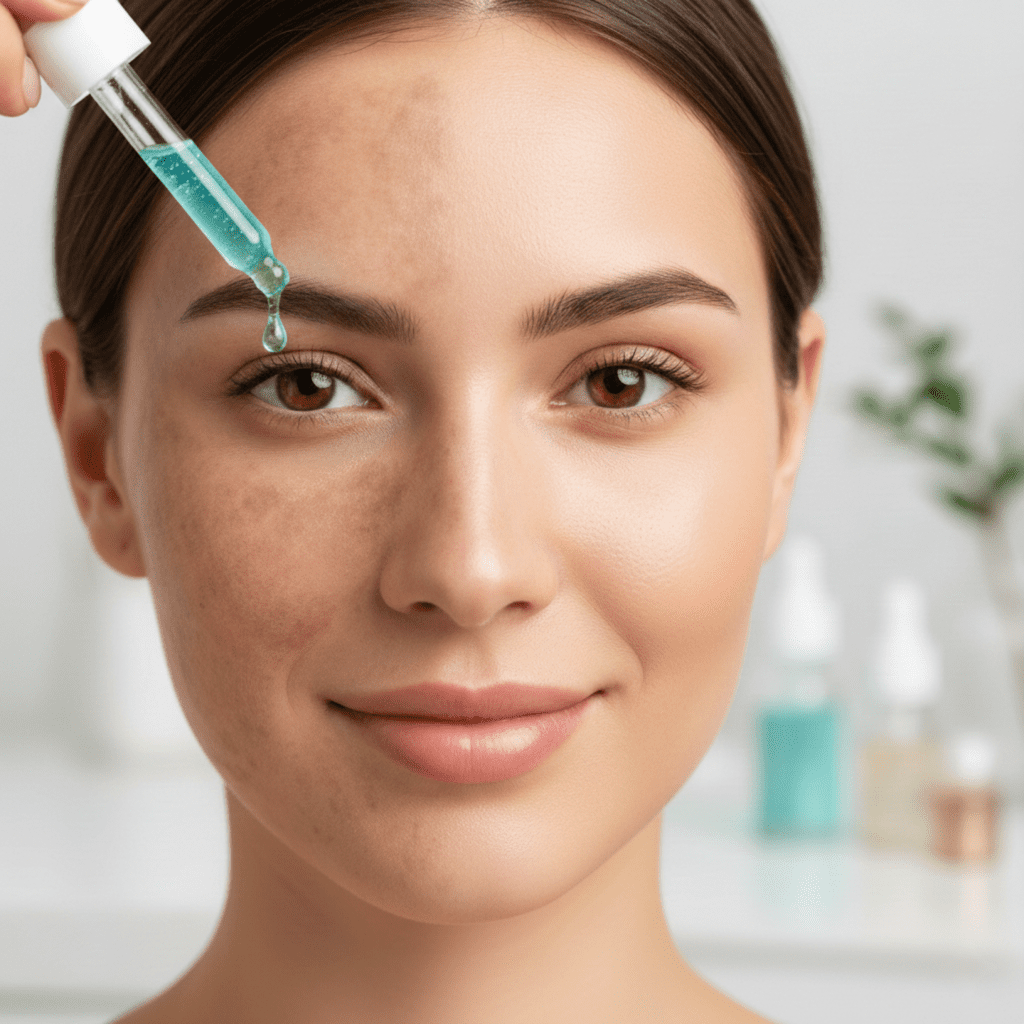
Melasma leads to persistent facial discoloration that often develops gradually and is challenging to manage without structured care. Dark patches may fade temporarily, then return when triggers remain unaddressed. Saint Aesthetix offers melasma treatment focused on clinical assessment, controlled treatment selection, and long-term skin health. Each plan centers on safety, consistency, and realistic outcomes rather than quick correction.
What Melasma Is and How the Condition Appears
Melasma is a chronic pigmentation disorder characterized by excess melanin production in the skin. It presents as irregular brown or gray brown patches, most commonly affecting the cheeks, forehead, upper lip, nose, and jawline. In some cases, discoloration extends symmetrically across both sides of the face.
Unlike surface pigmentation, melasma often sits deeper in the skin. This depth explains why topical products alone usually fail to produce lasting improvement. Without proper management, pigment tends to darken over time with continued exposure to environmental and internal triggers.
Factors Linked to Melasma Formation
Melasma develops when melanocytes become overstimulated. Several contributing factors influence this response.
- Ultraviolet and visible light exposure
- Hormonal fluctuations
- Genetic predisposition
- Heat exposure and skin inflammation
These factors often interact rather than occur in isolation. This interaction explains why melasma behaves differently from person to person and why individualized care remains essential.
Why Melasma Requires Professional Management
Melasma does not respond well to aggressive exfoliation or frequent product changes. Overcorrection often disrupts the skin barrier and triggers rebound pigmentation. Professional management emphasizes controlled treatment selection, careful monitoring, and long-term pigment regulation.
A clinical approach addresses both visible discoloration and underlying skin behavior. This strategy supports gradual improvement while reducing flare-ups and sensitivity.
Comprehensive Skin Evaluation and Treatment Planning
Every melasma treatment plan begins with a detailed consultation. This assessment evaluates skin tone, pigment depth, sensitivity, prior treatments, and daily habits. Lifestyle factors, such as sun and heat exposure and skincare routines, also inform treatment decisions.
This evaluation allows providers to establish realistic goals and outline a treatment path aligned with skin tolerance. Treatment planning remains flexible and evolves as the skin responds.
Treatment Strategies Designed for Melasma
Melasma management often involves a combination of in-office treatments and supportive home care. No single treatment suits every case. Treatment selection prioritizes gradual progress and skin stability rather than rapid pigment removal.
Professional Facial Treatments
Corrective facials support skin renewal and surface clarity. These treatments focus on gentle exfoliation, hydration, and barrier support. Facial selection depends on pigment pattern, sensitivity level, and treatment stage.
Chemical Peel Options
Chemical peels help reduce surface pigmentation and improve skin turnover. Peel depth, formulation, and frequency remain conservative to minimize irritation. Peels are selected based on skin type and pigment behavior rather than intensity.
Microneedling-Based Treatments
Microneedling may support skin renewal and improve topical absorption for selected candidates. Suitability depends on pigment depth, skin sensitivity, and clinical assessment. Timing and technique play a key role in safety.
What the Treatment Process Looks Like
Melasma treatment follows a phased approach. Early sessions focus on calming the skin and stabilizing pigment activity. Visible improvement often begins with softened edges and reduced contrast rather than complete clearance.
Session frequency varies based on response and tolerance. Adjustments are made throughout treatment to maintain progress and reduce the risk of irritation.
Post-Treatment Care and Long-Term Maintenance
Aftercare plays a critical role in the management of melasma. Sun protection supports pigment stability and prevents darkening. Daily skincare focuses on barrier support, hydration, and consistent routines.
Maintenance visits help monitor pigment behavior and address early changes before visible flare-ups develop.
Melasma and Lifestyle Influences
Daily habits significantly affect melasma behavior. Unprotected sun exposure remains a leading trigger. Heat from exercise, hot showers, and warm environments also influences pigment activity. Skincare routines using harsh actives often worsen discoloration.
Effective management aligns professional treatment with daily practices.
- Daily broad-spectrum sun protection
- Heat exposure awareness
- Gentle, consistent skincare
- Avoidance of aggressive exfoliation
Consistency and Timing in Melasma Care
Melasma responds best to structured care delivered over time. Inconsistent sessions or prolonged gaps often slow visible improvement. Consistent scheduling allows providers to adjust treatment safely based on skin response.
Progress develops gradually. Continued care supports pigment stability and reduces the risk of recurrence.
Common Questions About Melasma Treatment
What triggers melasma recurrence?
Sun exposure, hormonal changes, and heat exposure are often associated with recurrence.
Is melasma permanent?
Melasma can be managed with ongoing treatment and maintenance. Long-term care supports stability.
Is treatment appropriate for sensitive skin?
Treatment selection prioritizes skin tolerance and conservative progression.
How many sessions are typical?
Session count varies based on pigment depth, skin response, and treatment plan.
Schedule a Melasma Consultation
Melasma requires structured care and professional oversight. Saint Aesthetix provides personalized treatment planning grounded in clinical assessment and safety-focused protocols.
Book a melasma consultation today to discuss treatment options and begin a guided approach to long-term pigment management.