Aesthetic treatments have become increasingly popular, offering many options to enhance one’s appearance and boost confidence. From facials and chemical peels to injectables like Botox and dermal fillers, these treatments provide short-term and long-term benefits for skin rejuvenation, anti-aging, and overall skin health.
However, a common question is, “How often should I have these treatments?” The answer varies depending on the type of treatment, your individual skin needs, and your aesthetic goals.
This article will guide you on how often you should consider scheduling some of the most common aesthetic treatments.
Common Aesthetic Treatments
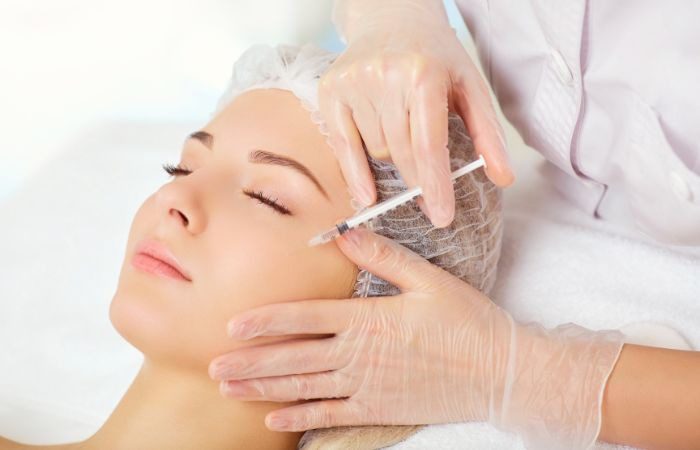
1. Botox Injections
Botox is one of the most popular non-surgical aesthetic treatments for reducing the appearance of fine lines and wrinkles, particularly on the forehead, between the eyebrows (glabellar lines), and around the eyes (crow’s feet). It works by temporarily relaxing muscles, which smooths out the skin.
- Recommended Frequency: Botox results typically last 3 to 4 months. Most patients schedule treatments every 3 to 4 months to maintain a smooth appearance. Over time, some people find that their results last longer, allowing them to extend the interval between treatments.
- Considerations: It’s important not to overdo Botox treatments, as overuse can lead to a “frozen” appearance, where facial expressions become limited.
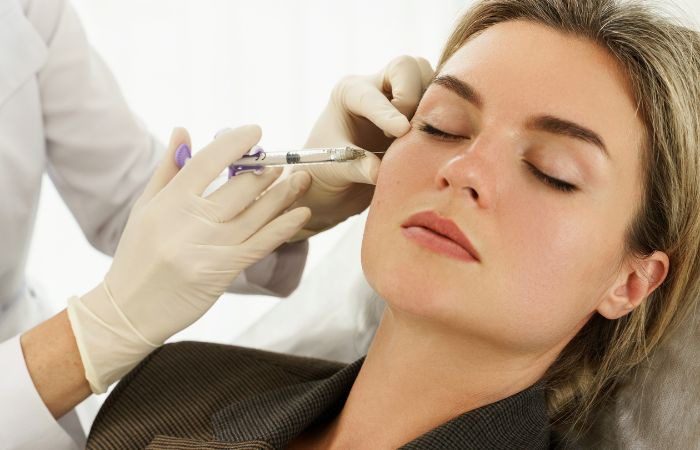
2. Dermal Fillers
Dermal fillers, such as hyaluronic acid (Juvederm, Restylane) or calcium hydroxylapatite (Radiesse), restore volume, smooth lines, and enhance facial contours. They commonly treat nasolabial folds and marionette lines and enhance lips and cheeks.
- Recommended Frequency: The longevity of dermal fillers depends on the type used. Hyaluronic acid fillers typically last 6 to 12 months, while others, like Radiesse, may last up to 18 months. Many patients schedule treatments every 9 to 12 months for maintenance.
- Considerations: Each person metabolizes fillers differently. It’s advisable to monitor how your skin reacts over time and adjust your treatment schedule accordingly.
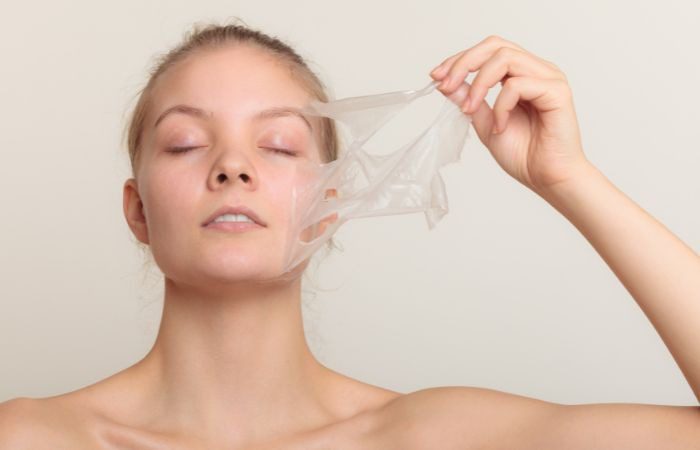
3. Chemical Peels
Chemical peels involve applying a solution that exfoliates the skin, promoting new cell growth and revealing smoother, more even-toned skin. They are effective for treating acne, hyperpigmentation, and signs of aging.
- Recommended Frequency: The frequency of chemical peels depends on their strength:
- Light peels: This can be done every 4 to 6 weeks for maintenance or when skin looks dull.
- Medium peels: Typically done every 3 to 6 months.
- Deep peels are much more intensive and usually require a one-time treatment, followed by an extended recovery period of 1 to 2 years before considering another.
- Considerations: Light chemical peels can be part of a regular skincare regimen, while medium and deep peels should be done less frequently to avoid skin damage or over-exfoliation.
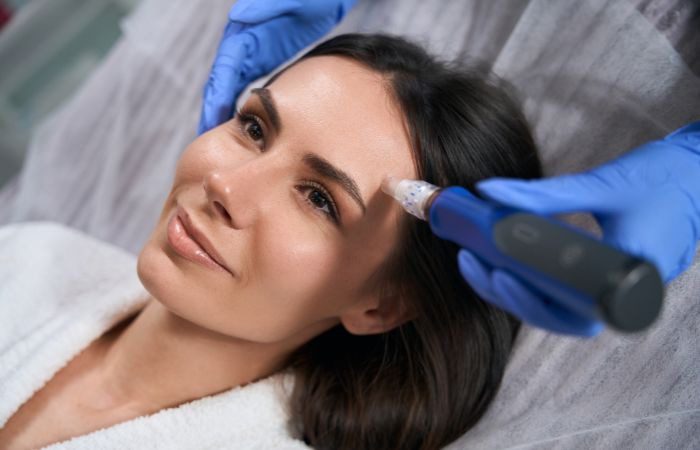
4. Microneedling
Microneedling, or collagen induction therapy, involves creating tiny punctures in the skin to stimulate collagen and elastin production. It’s effective for treating fine lines and acne scars and improving skin texture and tone.
- Recommended Frequency: Microneedling is typically done in a series of treatments spaced 4 to 6 weeks apart for optimal results. A typical regimen is 3 to 6 sessions, depending on your skin’s condition. After the initial series, maintenance treatments can be scheduled every 6 to 12 months.
- Considerations: While results are noticeable after one session, microneedling works best in a series to fully stimulate collagen production. Be mindful of your skin’s reaction, and consult your provider for the ideal frequency.
5. Laser Skin Treatments
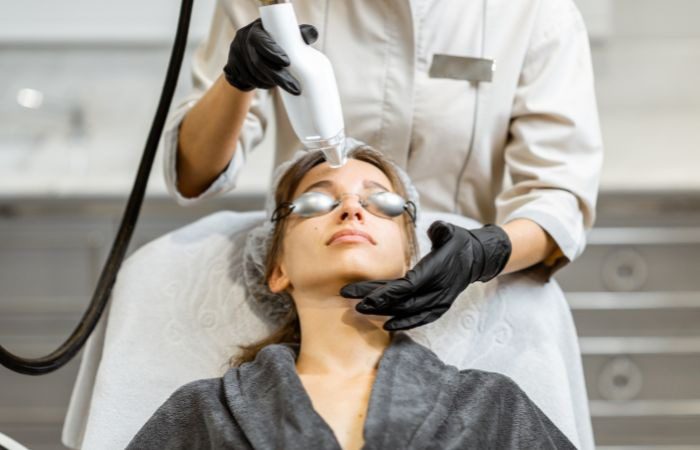
Laser treatments, such as laser resurfacing and IPL (Intense Pulsed Light), are used for various skin concerns, including pigmentation, acne scars, fine lines, and overall skin rejuvenation.
- Recommended Frequency: Laser treatments vary depending on the intensity and purpose of the treatment:
- Laser resurfacing (ablative lasers) usually requires a one-time session or a series of two to three treatments spaced a year apart, with long-lasting results.
- Non-ablative lasers (for skin tightening and pigmentation): Three to five sessions spaced four to six weeks apart are typically recommended. Maintenance treatments can be scheduled every six to twelve months.
- Considerations: Lasers are powerful and should be used under the guidance of a qualified professional. Downtime and potential side effects, like redness and peeling, should be considered when planning the frequency of treatments.
6. Facials
Facials are a gentler aesthetic treatment than others on this list and focus on cleansing, exfoliation, hydration, and overall skin health. They are famous for maintaining a glowing complexion and addressing skin concerns like acne or dryness.
- Recommended Frequency: Monthly facials are recommended for those seeking to maintain healthy skin. A skincare specialist may advise more frequent facials for individuals with specific concerns (e.g., acne or hyperpigmentation).
- Considerations: Your type of facial will impact how often you should schedule it. Regular hydration and cleansing facials can be done monthly, while more intense treatments like deep cleansing or anti-aging facials may require less frequent visits.
7. Body Contouring Treatments
Noninvasive body contouring treatments, such as CoolSculpting, SculpSure, or radiofrequency treatments, are designed to reduce fat, tighten skin, and improve body contours.
- Recommended Frequency: These treatments are typically performed in several sessions spaced weeks apart. For CoolSculpting, 1 to 3 treatments per area are common, while radiofrequency treatments may require 6 to 8 sessions for optimal results.
- Considerations: Maintenance treatments may be necessary to preserve results, especially as the body ages or weight fluctuates.
The frequency of aesthetic treatments largely depends on your skin’s needs, your aesthetic goals, and the treatment you receive. While some treatments, like facials, can be done monthly, others, like dermal fillers and Botox, have a longer-lasting effect and may only need to be done every few months or annually.
If you need help determining which treatments suit you best or how often to schedule them, consult an experienced aesthetic provider like Saint Aesthetix. They can guide you in making the right decisions to maintain healthy, radiant skin while achieving your aesthetic goals.